Our Trip to Kilmainham Gaol
Our first few days have been busy, but students are very engaged, asking lots of questions and explaining their own personal connections and interests in Ireland.
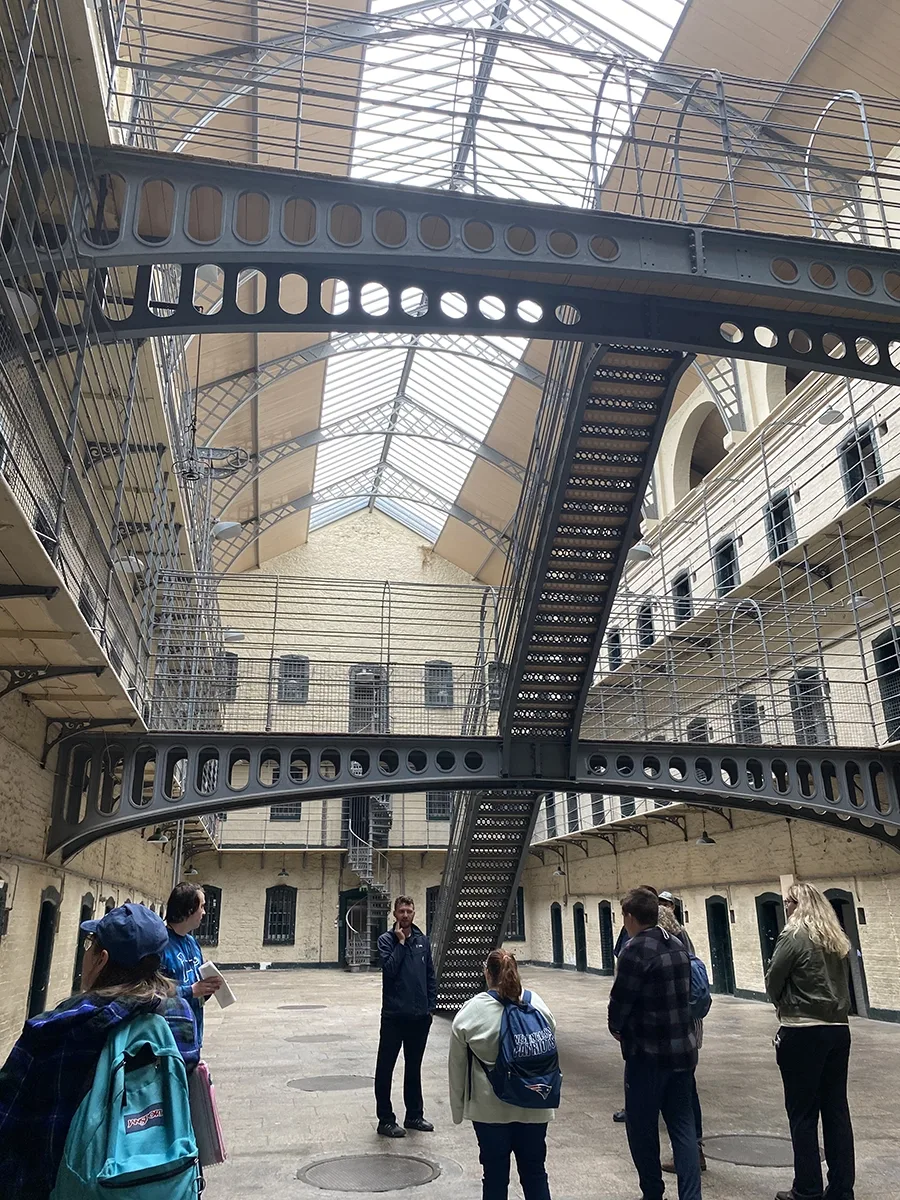
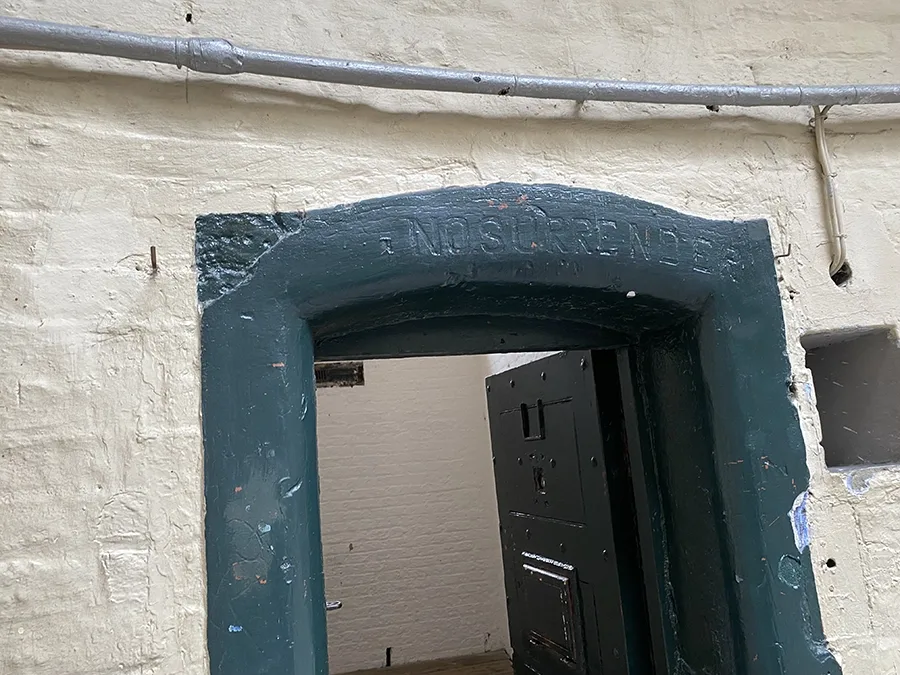
Our trip to Kilmainham Gaol reinforced the historical facts around the 1916 rebellion, but it also added an intense emotional punch.
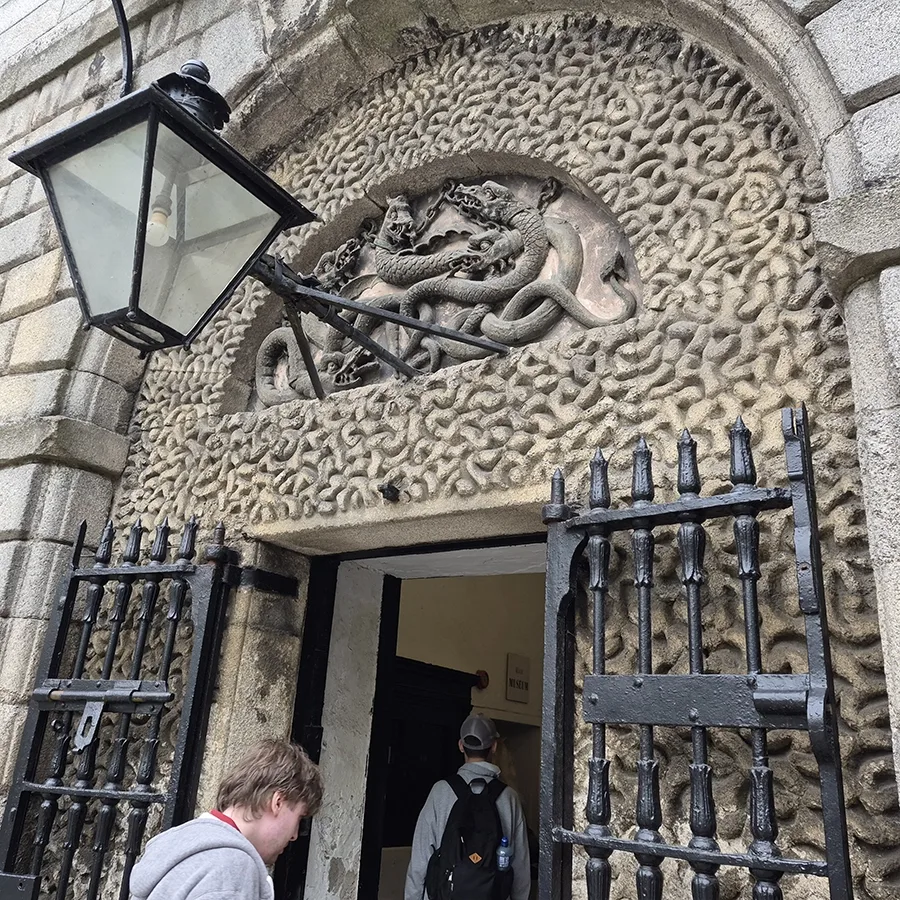
Our tour guide’s great-grandfather, whom he knew, was friends and comrades-in-arms with some of those executed at the Gaol, most of them about aged 19. His voice broke as he explained this connection.
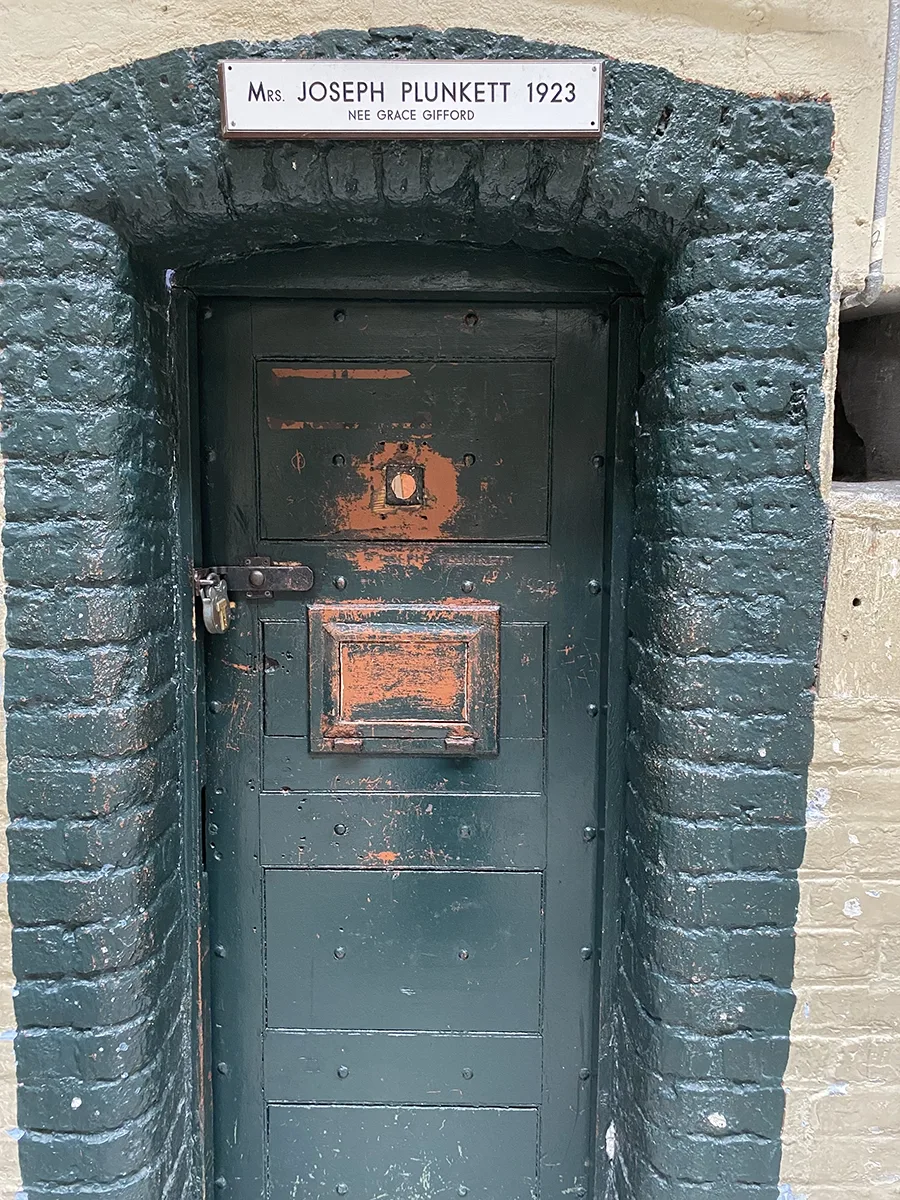
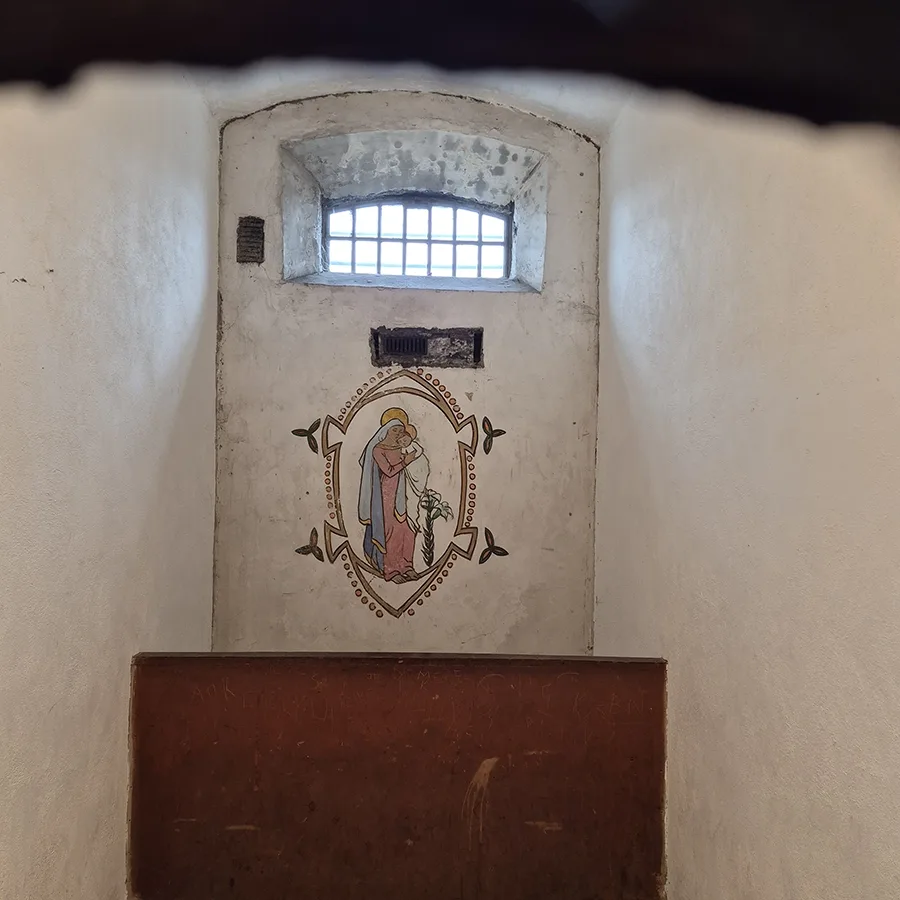
The story of the marriage of Joseph and Grace Plunkett, the night before his execution, in the prison chapel, was also moving and has been mentioned several times by students as a powerful and sad story they will not forget.
We’ve discussed the fact that Ireland’s independence movement is much more recent than America’s, which helps us to understand the pride in their identity as a nation.
We have also discussed how occasional glitches in our planning and inconvenient circumstances can be learning experiences and fodder for creative travel writing.