June 24th: Dublin, Clonmacnoise, Galway
By Robin Markeloff
When I think about June 24th, the first thought that comes to mind is summer: the sun beating down on our heads as we stood in front of the Cross of Scriptures, the leafy green hedgerows lining the country roads, the cows clumping in the shade of trees in their pastures, the stifling heat in the shuttle that was only beat back after the driver turned her on and the fans whirred to life with vengeance.
The sunshine made it a lovely day for driving from Dublin to Galway with a stop at Clonmacnoise in between, even though it was sweltering hot.
We filed in the shuttle in the morning: eleven students, a number of bags and suitcases, two professors, and the driver. He stacked the big suitcases up two rows in the luggage compartment attached to the back of the shuttle; the rest of the luggage was crammed in the shuttle itself. Tom and I sat at opposite ends of the bench seat in the back, behind black seats, with our backpacks and several hefty bags crammed between us. A pink-wheeled suitcase bumped up and down the back of the aisle next to Charles’s elbow.
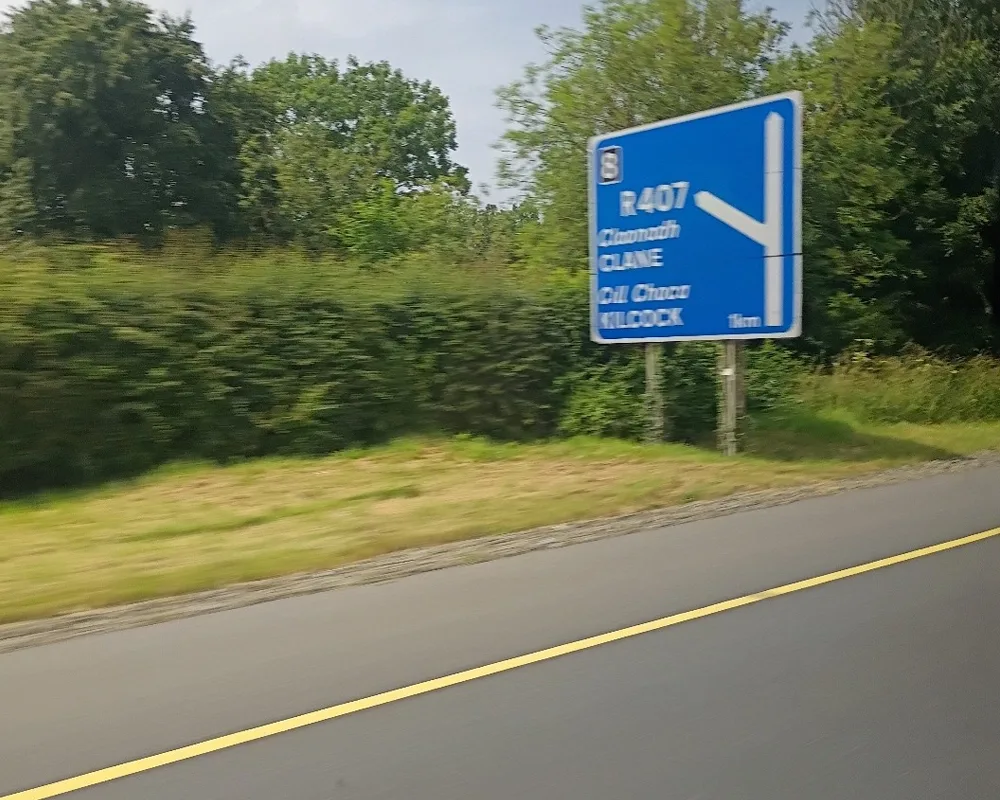
Dublin and Galway are roughly at equal latitude to one another, with Clonmacnoise about two-thirds of the distance from Dublin and one-third of the distance from Galway. As we crossed Ireland, the highways turned into country roads, and my view from the side window of the shuttle was mainly a selection of summer green hedgerows.
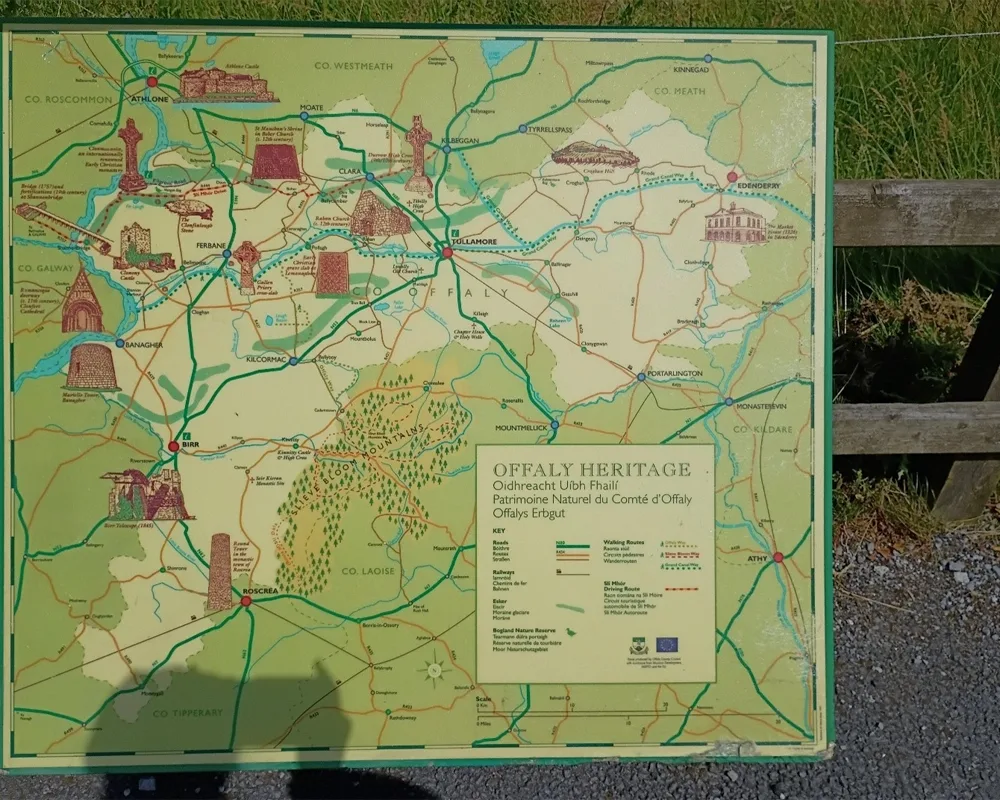
Clonmacnoise is situated in the gently rolling green hills of central Ireland on the River Shannon. We pulled off the road, disembarked in a parking lot, and walked up a sloped gravel road past a little food stall, picnic area, and park personnel to the ruined monastic site, almost a thousand and a half years old. The visitor center was closed for renovation (it only had half a roof).
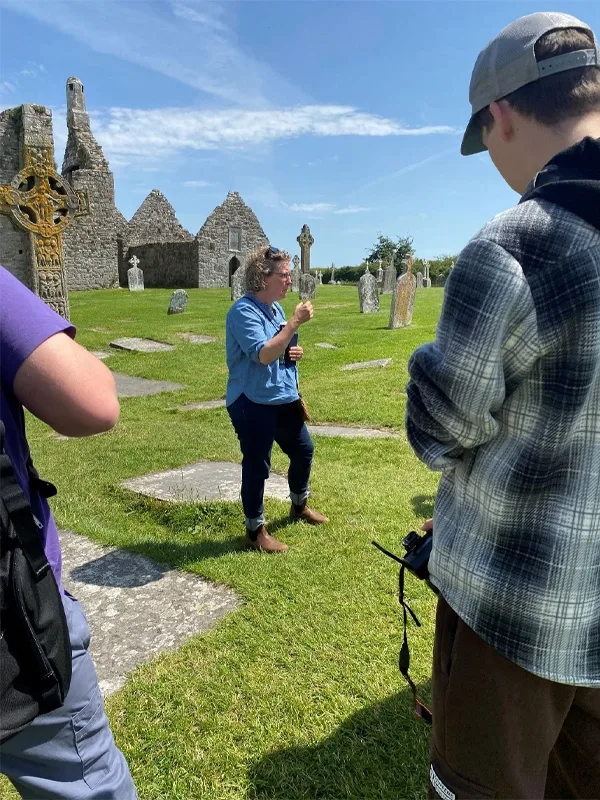
Sara had us gather in front of the Cross of the Scriptures. The original Cross of Scriptures had likely suffered the same fate as the weather-eaten slabs of rock laid into the ground for graves: Sara told us the one we saw was a replica. The original was elsewhere for preservation.
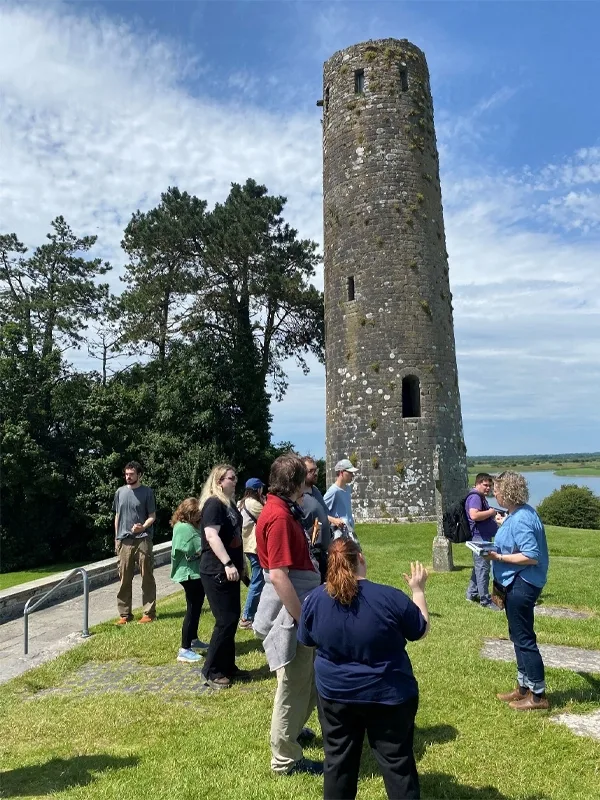
Off to the west, a couple of round towers, a stone wall running down the hill from one and cutting over to the other, overlooked the wide blue bend of the River Shannon passing by the monastic site. The river was but the distance of a stone’s throw from the banks and it was one of the things that made Clonmacnoise so important back in its heyday.
Or
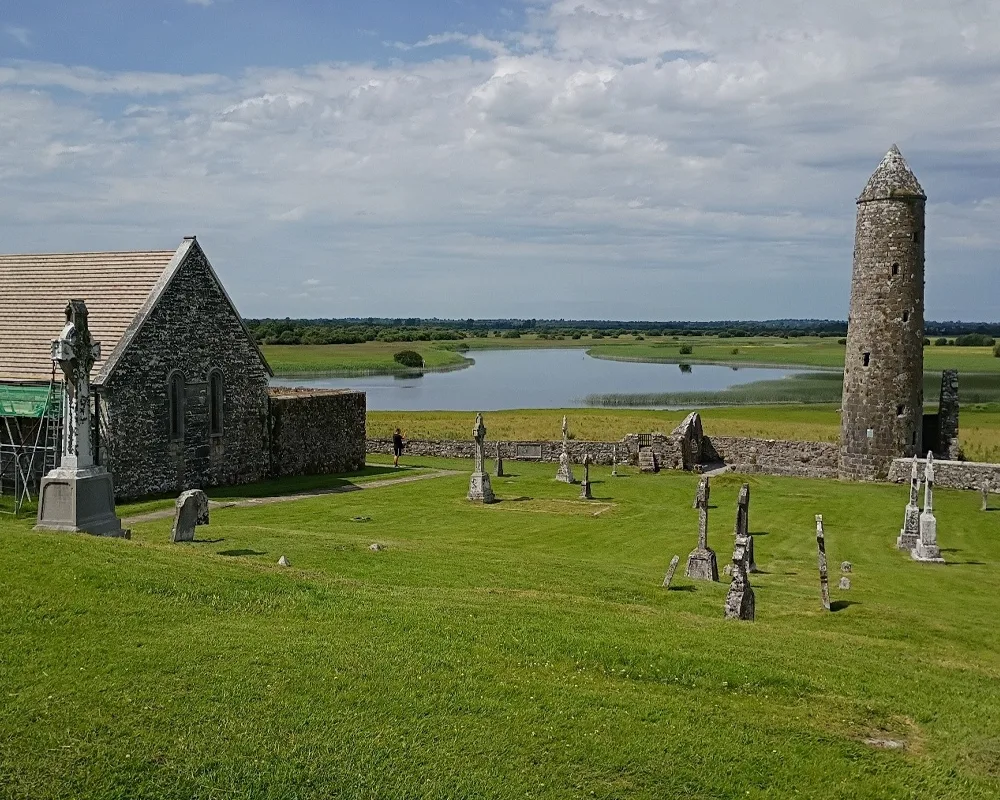
Having been strategically placed where a major west-east land route crossed the River Shannon, Clonmacnoise became “like a university town”, as Sara put it: an important school and monastery supported by a town nearby, with travelers from all over Ireland and Europe coming there.
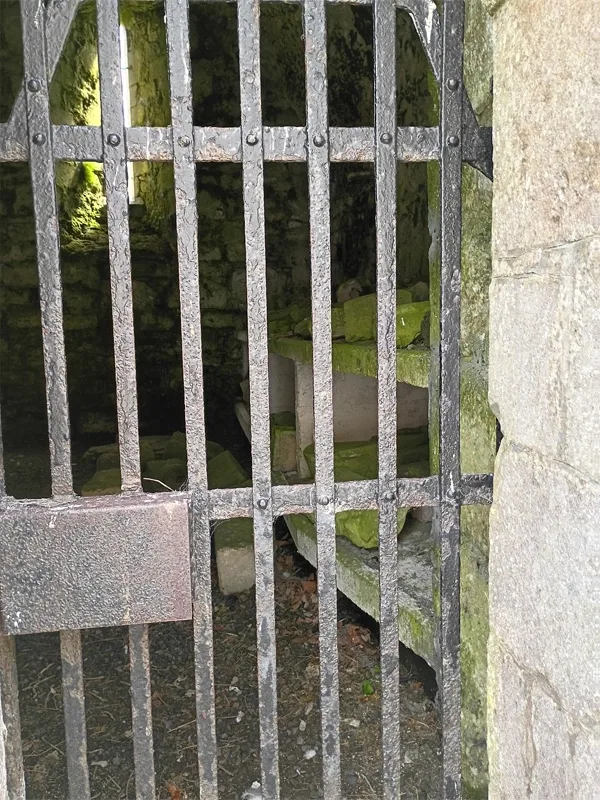
I ventured, albeit briefly, into what had once been the cathedral. Time had taken the roof and crumbled the walls, but there were enough stones left of them to frame a carved archway and cast cool shadows on the slabs of graves inside. I weaved around the slabs of gravestones as I padded over to an archway in the wall and peered past the metal bars to a dim room, barely lit by a window across the way. There was a slab of stone running along one side crumbled into rubble. There was a suggestion of pews facing it, also crumbled into rubble.
It was a strange, weighty experience to think that a millennium ago, people had prayed here, interred their dead here, lived here, and now here I was, peering into their lives under the summer sun.
Not long after, we packed back in the shuttle, which drove off through the green fields to Galway.