Trains and Transport in Japan
[By student Nate Wilmarth]
Ah, the Japanese railway network. Ever efficient and always on time. Certainly, something we
don't have in the states. During my time here I have taken many trains around Japan. I have yet
to ride the Shinkansen (bullet train), but what I have ridden so far exceeds my expectations. In Japan they take great pride in their railway, railway workers go through rigorous training to ensure they only get the best people to run these railways, Japan Railways (JR) builds dedicated infrastructure that allows these trains to run seamlessly with separated high speed lines, platform doors, countdown clocks, and much more.
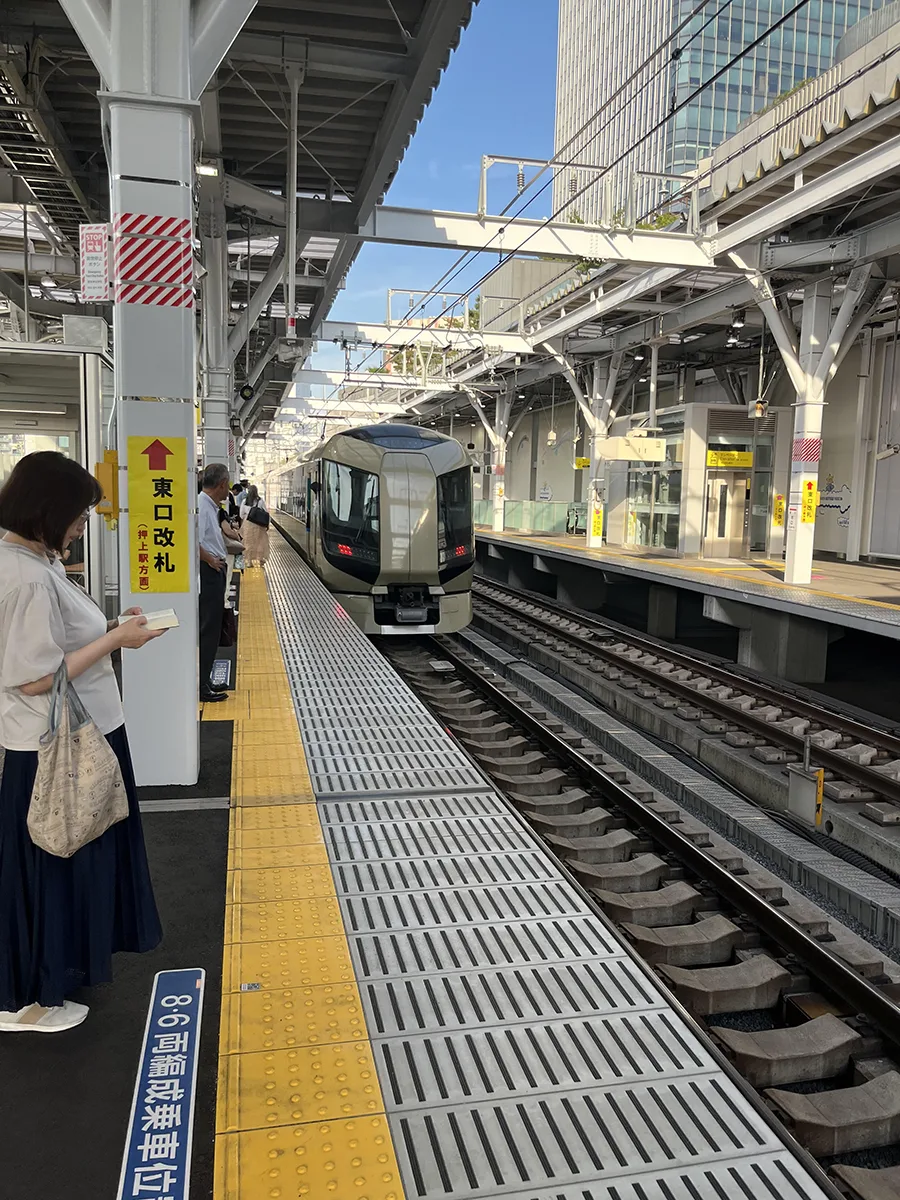
So far I have ridden the Tokyo Metro, the Toei subway and various other JR services. All
of them running like clockwork, making sure everyone gets to their destination on time. During
my rides I felt a strange calm and barely any anxiety because I always knew that I had the most
reliable transportation to get me to where I needed to be with zero hassle.
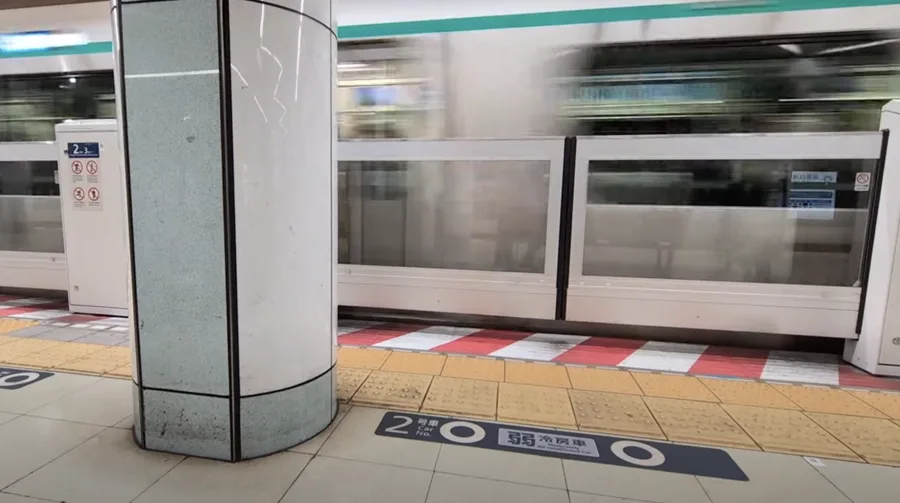
I wanted to learn how and why Japanese trains are so clean and efficient, and I discovered that Japanese transit operations are deeply rooted in the idea of “omotenashi” or hospitality and “meiwaku” or consideration of others. I learned that together these values transform daily commuting from a mechanical necessity into a mindful, shared social contract. With this newfound understanding of the values and culture behind the operations behind the operations of the trains, I ask myself: why cant we have that level of care with our forms of transit in the U.S.?