Reflections Through Culture, Nature, and Discovery, Part 4
As we wrap up our first week in Japan, I’m excited to share a collection of reflections written by our students. Each one captures a unique and personal view of what it’s been like to step into this rich, vibrant culture. From peaceful temple visits and lush gardens to the energy of Tokyo’s streets and meaningful cultural exchanges, their words offer a glimpse into how this journey is already shaping their perspectives.
It’s been a joy to witness their curiosity, thoughtfulness, and growth—and I hope you enjoy seeing Japan through their eyes as much as I have.
Cindy Ludlam, Assistant Professor of Ceramics
A Life Transition Within Japan—Quilt Nofchissey
My time in Japan thus far has been infatuating despite personal difficulties that have arisen in my personal life, such as falling ill during my travels. Today (May 29) is my birthday, and I am reminded of a special transitional period I have found myself in. Although I have been immersed in Japanese culture within my life, I have found myself learning more than I previously had before becoming knowledgeable of a religion that was initially enigmatic in my mind.
Nature is truly a deeply implemented component of said culture, as displayed by this park we visited that had multiple stone walkways across a pond. I also personally enjoyed the sight of turtles and catfish in the pond, as well as the birds all around.
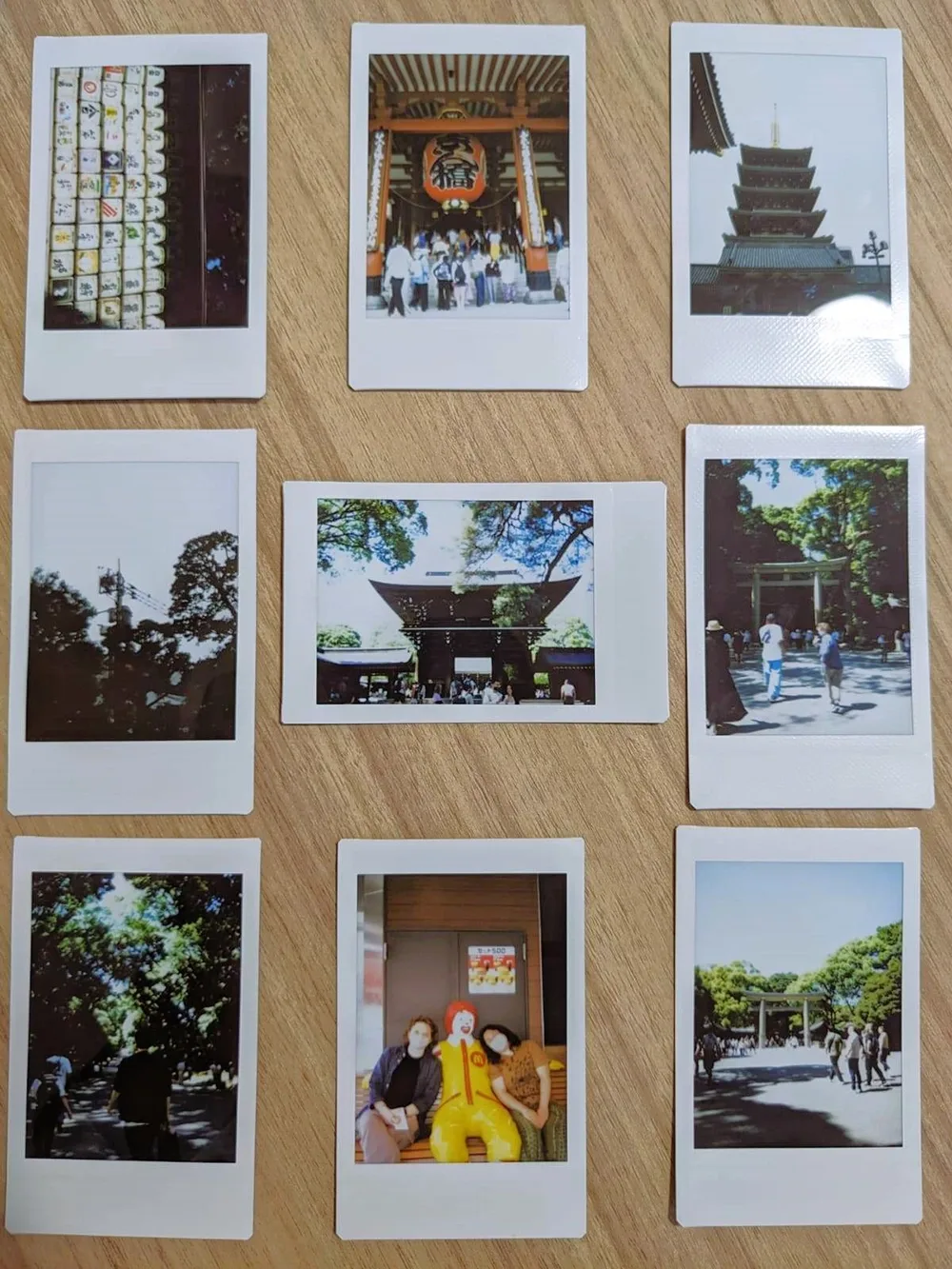
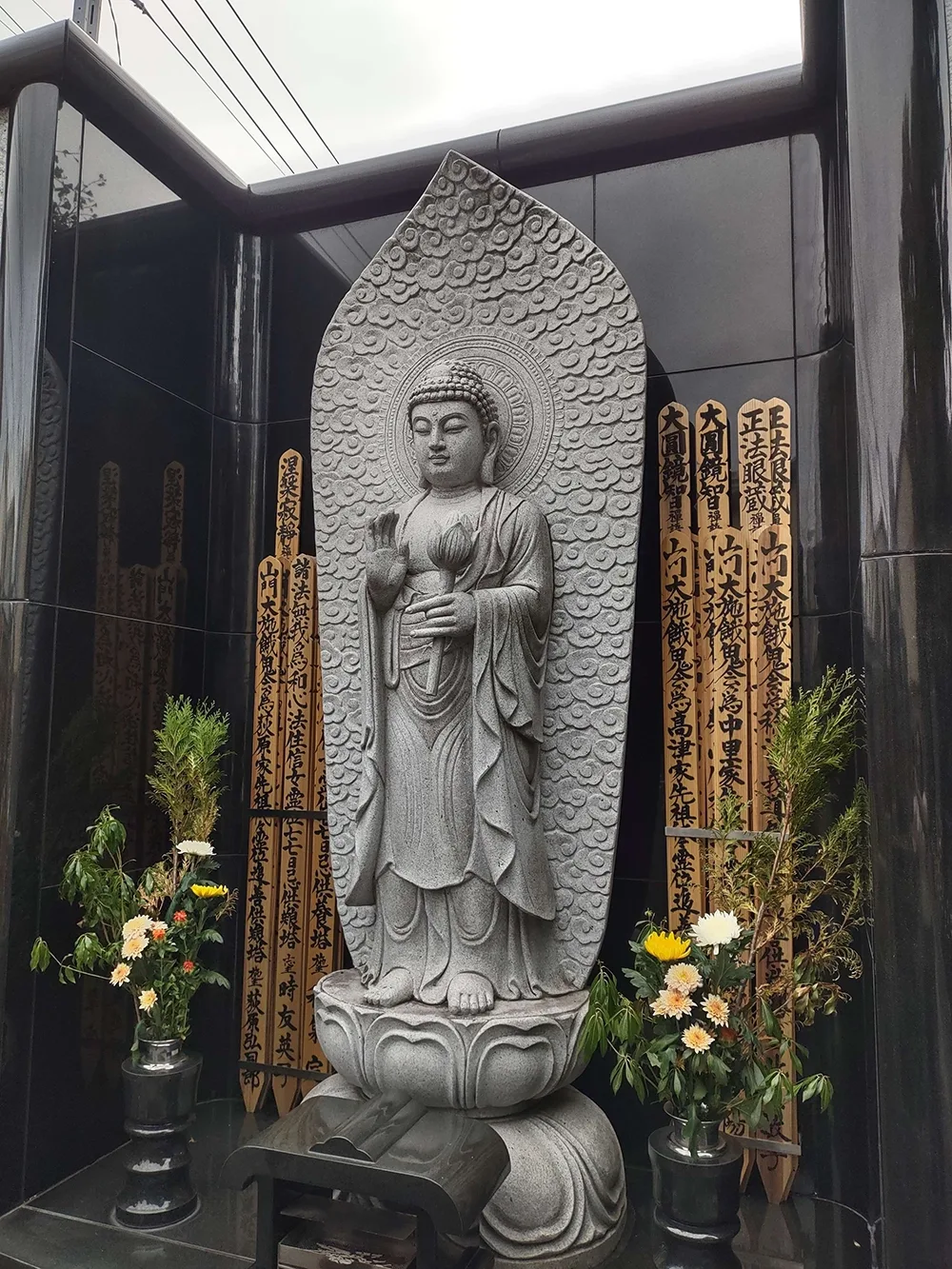
I had always been curious about how Buddhism has bifurcated throughout a variety of cultures throughout history, and learning of its significance in Japan combined with Shintoism gave clarity to a lot of my experiences within the culture. I often wondered why there was such an overlap in particular religious designs and insignias, with India and Buddhism originating in India and then spreading to China, Korea, and Japan.
It felt like a key fitting into a door of artistic bewilderment and intercultural awareness. Visiting the Shinto and Buddhist shrines, although sardine-packed with people, felt truly humbling in feeling so small in the presence of a culture so ancient and naturalistic. My draw to Buddhism has grown more prevalent, especially in circumstances in which I must be meticulously patient with various frustrating people and situations.
During the six stages of metta, I experienced a meaningful realization about extending loving-kindness to someone I find difficult. Even those I struggle to understand—toward whom I may feel strong aversion—are still complex individuals with lives and perspectives beyond my comprehension. This practice has renewed my intention to seek compassion, even for those whose values seem deeply opposed to my own
In Western culture, there is suffocating pressure to constantly progress towards the next thing. Buddhism, by contrast, emphasizes staying alert yet detached in the presence of both the self and the world. I want to experientially understand what it means to live in the present—however tedious, monotonous, or painful that may be. To hold each moment as sacred for as long as I exist as a unique lifeform on Earth, capable of the terrifying gift of memory and emotion.
Big Shrine In the Woods—Robin Kulp
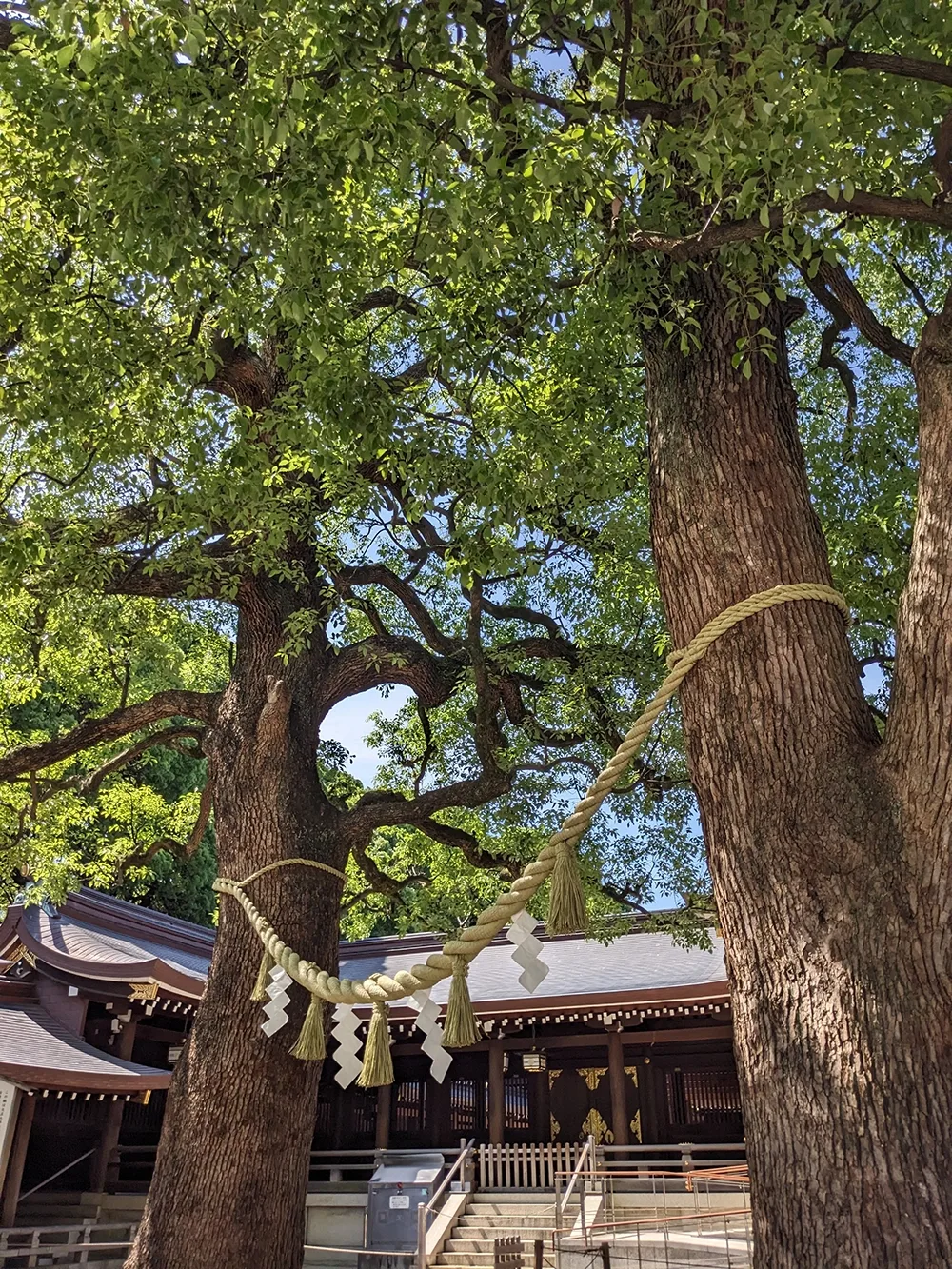
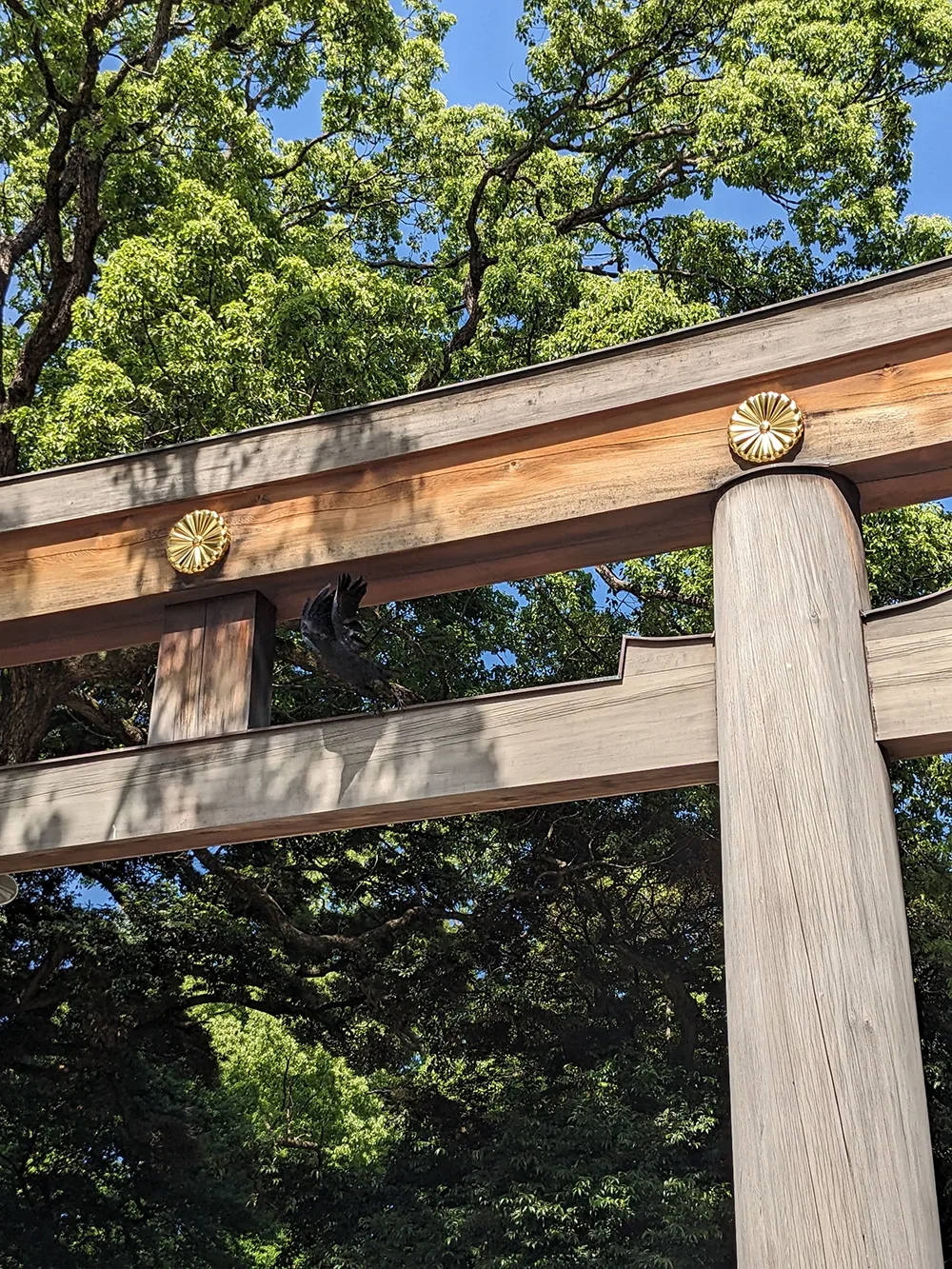
In Harajuku, we emerged from a busy station right at the entrance to Meiji Jingu shrine. The shrine grounds were also busy but offered a more peaceful space. It begins with a bow at the first of multiple tall and wide torii gates. The gates are all made of wood and not painted like they typically would be orange. To me it felt like the structures are one with the trees. The sound and smell of the woods was something I really enjoyed. The path makes zigzag turns so as not to let the spirits pass freely. I think the walk helped clear my mind. It leads to the courtyard of the shrine. There are three special trees marked with Shimenawa ropes.
These symbols of Shintoism represent the significance of all kinds of natural things.
Subways Of My Mind—Will Edman
A lot of my time this past week has been spent underground, in the subway stations of Tokyo, both during group trips and on my own. During the group trips, I haven’t had to think about exactly what I’m doing or where I’m going, since we all were just following our guide to our destination. At the very least those trips helped warm me up to what travelling on the subway was like, and it prepared me for all the times that I’ve taken it on my own.
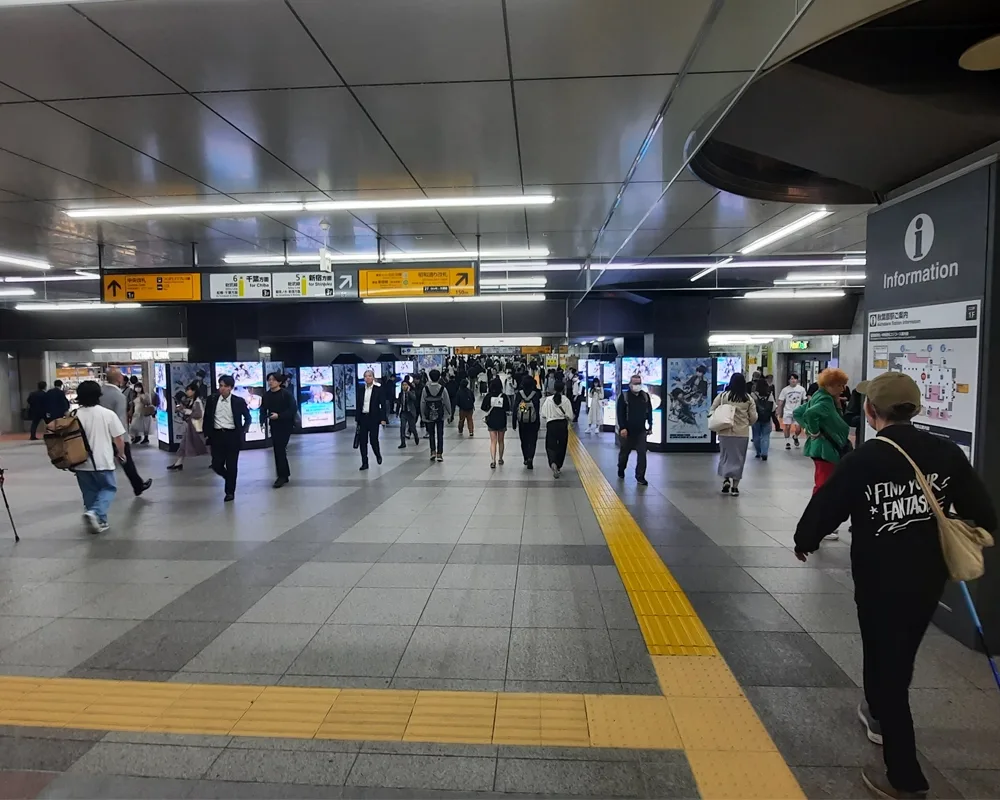
First it was learning about the colors and letters associated with the different lines during the group trips. Then it was learning on my own how to transfer between the different lines, which sometimes involves leaving the station on the street, and entering another one that goes back underground.
After that I learned that the number of the platform determined which direction the train on it was going, and that was an important detail to learn, because there are always trains going either way, and getting on the wrong side means that I’d end up going further away from my intended destination. The most recent thing I learned earlier today, is that the exits of a station are numbered, and that’s how you can know where on the street you will end up at.
Overall my experience with the subway has taken some getting used to, but I’ve been able to draw on my minor experience with the Boston subway system as a bit of a primer, and so I managed to wrap my head around how the Tokyo subway system worked pretty quickly, and I’ve been having a wonderful time feeling confident in knowing that I can get to where I decide I’d like to go in my free time.
In fact, I think that I’m currently the person that’s travelled the furthest away from the hotel using what I’ve learned, since I rode the subway all the way to Nakano on Tuesday night, and had a blast being there for a local fighting game tournament.