How Does Your Garden Grow?
[Text and images by student Gavin Ebding]
Japanese gardens have a way of slowing the world down. They’re built on the idea that nature, when shaped with intention, can become a quiet companion, something that steadies your breath and softens the edges of a busy mind. You don’t just look at a Japanese garden; you settle into it.
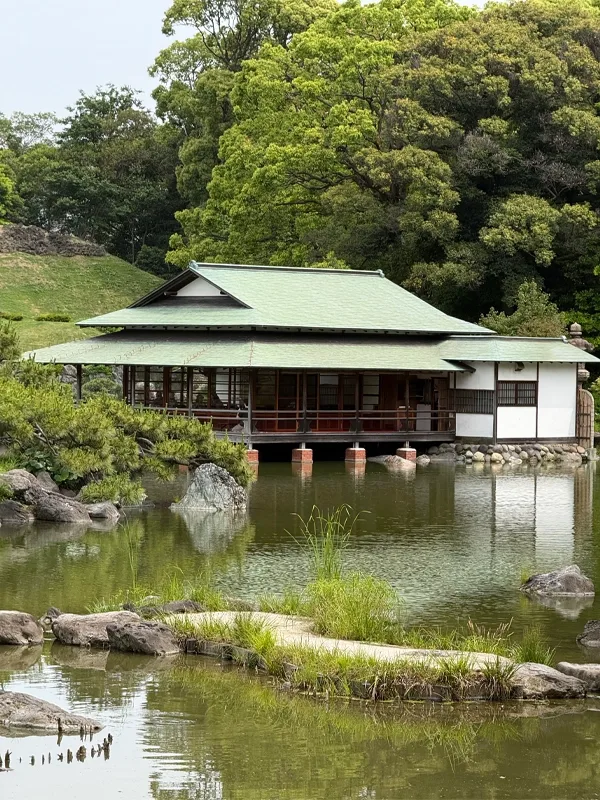
Kiyosumi Gaden in Tokyo captures this feeling beautifully. It’s a strolling garden designed around a broad, glassy pond, where stepping-stone paths lead you across the water as softshell turtles drift beneath your feet.
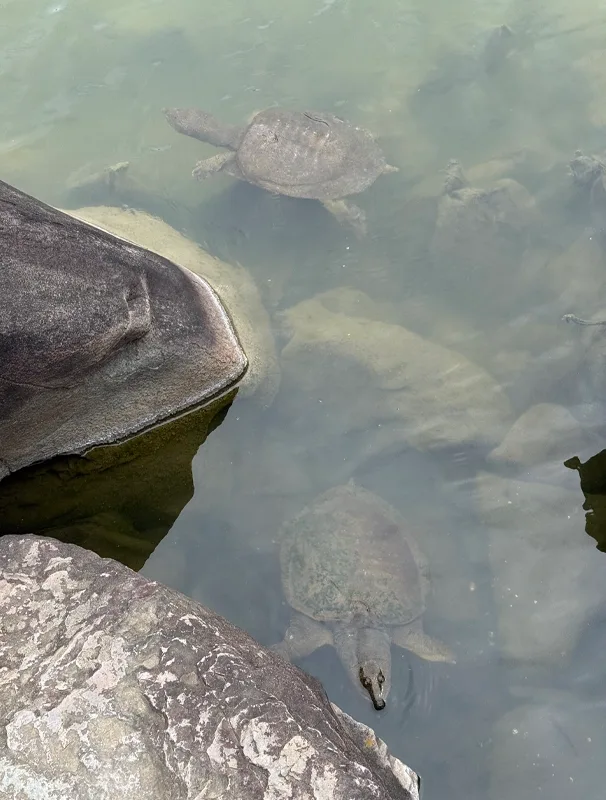
The garden’s pathways curve gently, their ponds mirror the sky, and every stone, tree, and ripple feels placed with a kind of quiet wisdom.
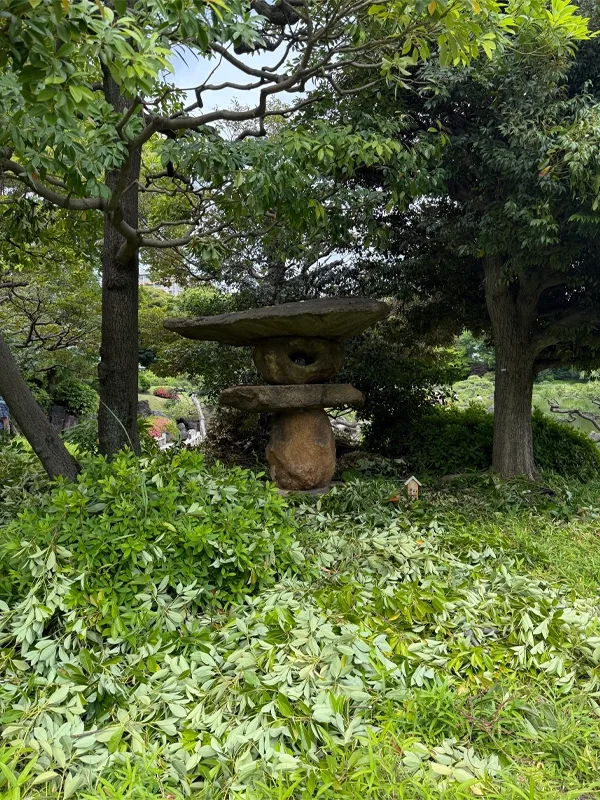
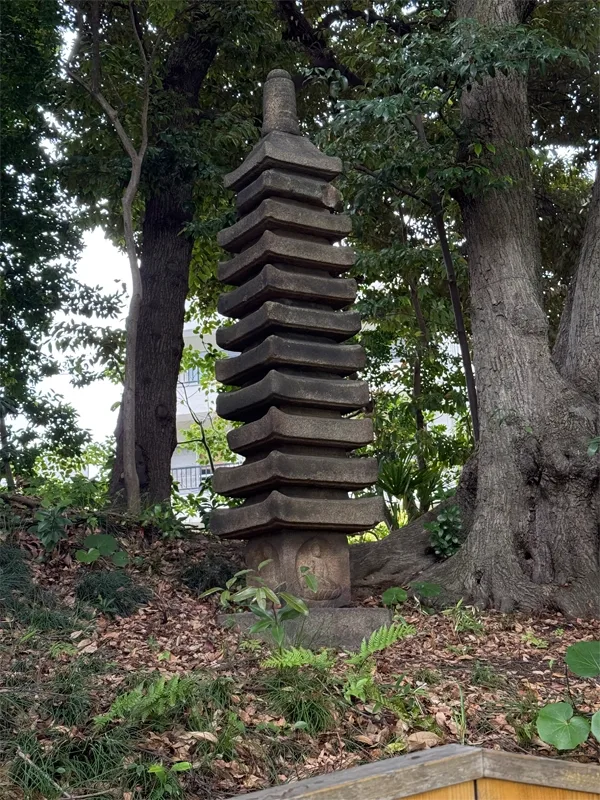
The garden’s stonework feels as intentional as its trees and water, each piece adding a quiet sense of age and grounding. Low stone bridges arch gently over narrow inlets, blending into the shoreline so naturally that they seem carved from the landscape itself. While stone lanterns and pagodas appear at bends in the path or near the pond’s edge. Their shapes, simple and sturdy, offer a subtle focal point without breaking the calm.
The sounds are subtle—wind in the trees, the faint splash of a turtle slipping into the pond—and the city around it seems to fade into a distant hum. Even in a metropolis as electric as Tokyo, Kiyosumi feels like a pocket of stillness, a reminder the tranquility doesn’t require isolation, only intention.